
How to Clean Sewage From a Basement in New York
Why New York Basements Face Severe Sewage Inundation
In New York’s vast combined sewer system, heavy rain routinely overwhelms mains, forcing municipal wastewater backward through low-lying floor drains and service lines.
In addition, subgrade New York basements in coastal lowlands face elevated hydrostatic pressure that forces compromised sewer lines and contaminated groundwater through foundation floor cracks.
The single most extensive soil unit mapped around New York, NY is Urban land, till substratum, 0 to 3 percent slopes, covering about 2,449 acres of NY061.
Across the city, the dominant mapped soils in New York, NY (NY061) by acreage are Urban land, till substratum, 0 to 3 percent slopes; Urban land, till substratum, 3 to 8 percent slopes; Urban land-Flatbush complex, 0 to 3 percent slopes; Urban land, outwash substratum, 0 to 3 percent slopes.
Paved surfaces prevent natural absorption, funneling torrential runoff into subterranean collectors.
Homeowners often recount how during intense storms they stepped outside, waded through some six inch deep water and removed a few leaves from the drain hoping that would clear the clog, only to discover that municipal wastewater had already reversed into their basement.
In wider regional discussions on flood dynamics, observers point out how coastal urban centers manage massive drainage loads, noting that New York 18.823,000, very strange GeosMios 5y ago, it’s because of the watershed, Mississippi basin is among the largest in the world, illustrating how watershed geography dictates runoff intensity across metropolitan basins.
Building Age and Plumbing Vulnerabilities
About 62% of housing units in New York, NY (2,228,774 of 3,620,774) were built before 1960, the era of galvanized steel supply lines and cast iron drains.
Consequently, many older New York residential buildings rely on aging cast-iron lateral pipes prone to interior scaling and root intrusion that catch grease and trigger severe backups.
In dense New York multi-family brownstones and apartments, emergency sewage spills rapidly migrate downward through wooden joists and ceilings, requiring immediate containment.
Electrical and material hazards also vary by construction era.
About 12% of housing units in New York, NY (447,374 of 3,620,774) were built in the 1960s, overlapping the years aluminium branch wiring was installed, creating severe electrocution risks when sewer water rises near outlets.
Furthermore, about 12% of housing units in New York, NY (429,480 of 3,620,774) were built in the 1970s and 1980s, overlapping the years polybutylene supply piping was commonly installed, and about 86% of housing units in New York, NY (3,105,628 of 3,620,774) were built before 1980, the period when asbestos-containing materials and lead paint were still in use.
Disturbing wet vintage building components without containment risks hazardous airborne exposure.
Safety Containment and DIY Extraction Limits
Because sewage is biohazardous Category 3 black water, personal safety is the first priority.
In workplace safety discussions online, employees frequently discuss the severity of biohazards, noting how the workplace is wanting people to sign a waiver before cleaning up this mess, highlighting why untrained individuals should never handle raw wastewater without certified protection.
Residents also emphasize that you must make a list as close as possible to things touched by the sewage to help insurance replace stuff that’s deemed a loss.
Emergency technicians immediately erect 6-mil poly containment barriers and run HEPA air scrubbers under negative pressure to isolate airborne bioaerosols from living areas.
Clearing a sewer line blockage only restores flow; complete restoration requires containment, extraction of sludge, and removal of saturated porous subflooring.
Structural Sanitization and Professional Remediation
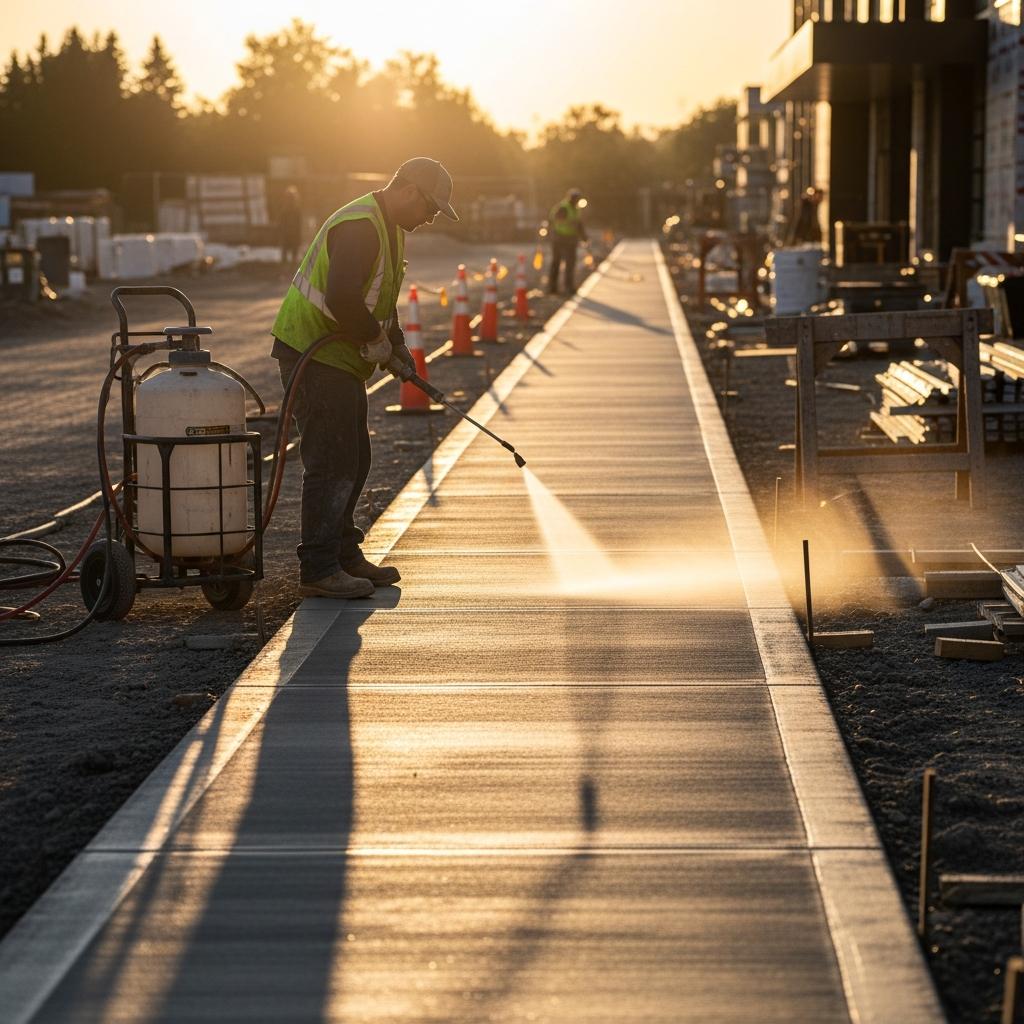
Because concrete is porous, basement sewage cleanup requires hot-water pressure washing and deep penetrating biocides rather than surface mopping alone.
After extracting gross solids, technicians apply hospital-grade EPA-registered disinfectants requiring a mandatory ten-minute wet dwell time before structural drying begins.
When sewage inundates your basement, professional intervention is vital.
Our certified team delivers comprehensive Sewage Cleanup New York and targeted Sewer Backup Cleanup New York to extract black water and sanitize structural materials.
For immediate 24/7 dispatch across the city, we deploy specialized Emergency Sewage Cleanup New York and Emergency Sewage Cleanup Manhattan crews equipped with negative air scrubbers and high-capacity extractors.
Do not allow hazardous black water and airborne bacteria to endanger your home and family.
Contact Sewage Cleanup Pros now for 24/7 emergency sewage extraction and complete structural restoration.
Ready to talk through this job?
Call a real estimator.
No form, no waiting.